
Education · Employment · Advocacy
Building Better Pathways for Students, Families, Schools, and Communities.
Supporting educational success through innovative services, workforce development, advocacy, and collaborative partnerships.
Who we are
We build the connections that help people move forward.
BNC Ventures LLC is a mission-driven educational services organization bringing together education, workforce development, advocacy, technology, and community partnership.
Rather than offering one isolated service, BNC Ventures builds connected systems of support that help children, youth, and adults move from school toward career and independent living.
Students deserve pathways—not barriers. Families deserve guidance. Schools deserve trusted partners.

Leadership
Experience across the systems we serve.
Our leadership perspective spans special education, school systems, research, behavioral health, youth reentry, family engagement, and community collaboration.

Education and Student Support Leadership
Nicole Burch
Brings deep experience across special education, MTSS and PBIS, instructional practice, educator development, and family advocacy.
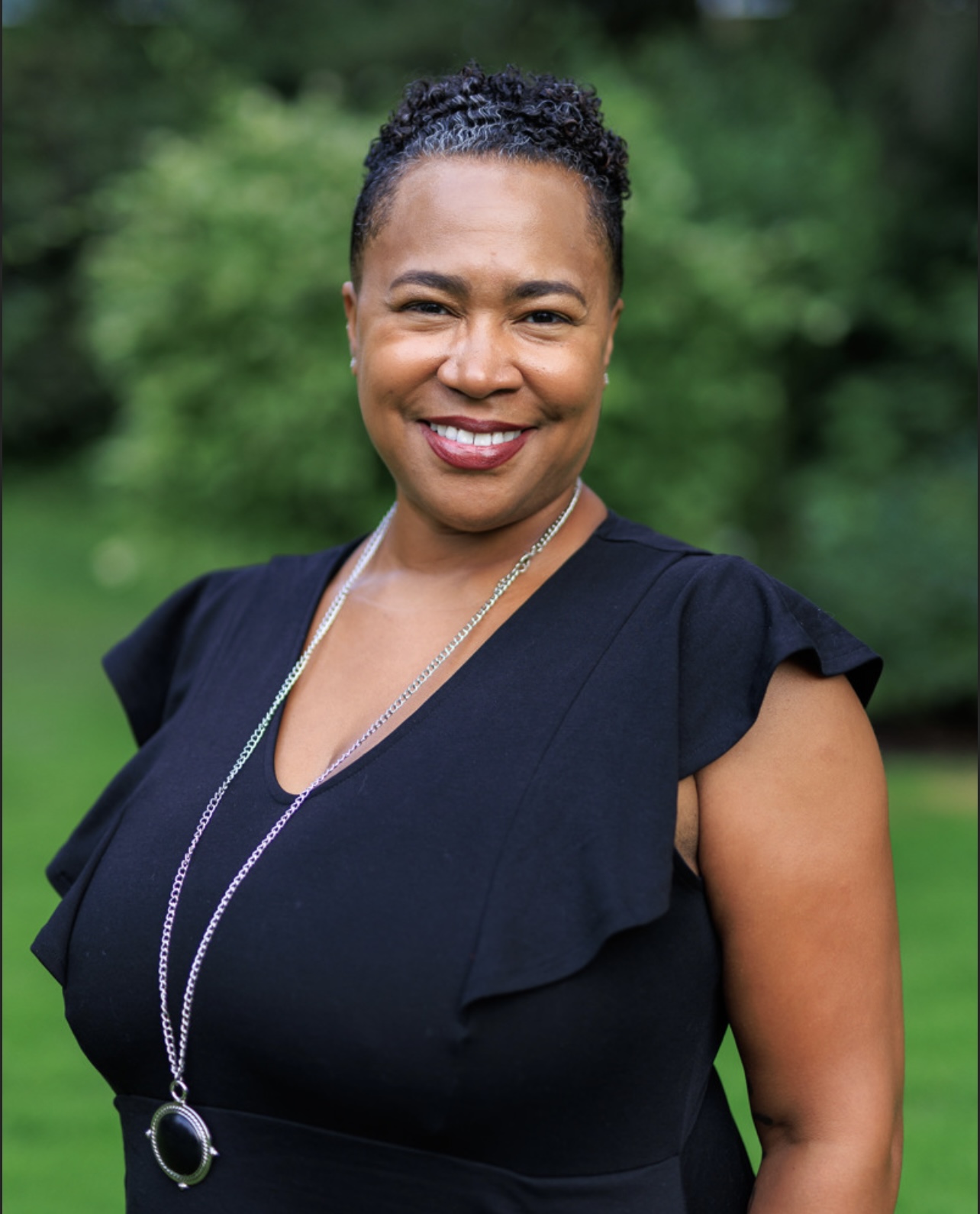
Research, Reentry, and Community Partnerships
Bianca Burch
Connects educational research, youth reentry, behavioral health, program evaluation, and community-based systems of support.
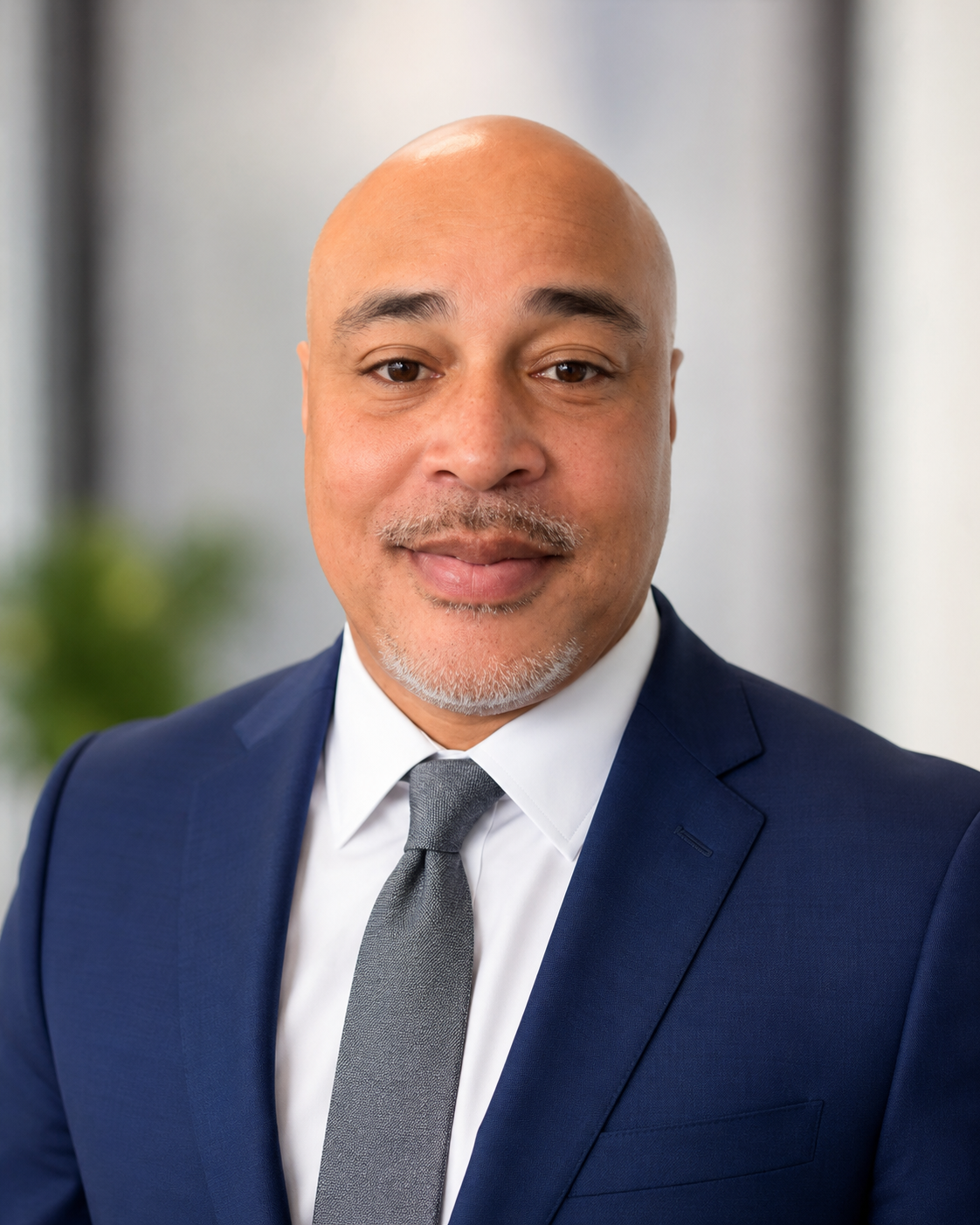
Special Education and Systems Leadership
Clayton Burch
Brings decades of experience in special education administration, district programming, transition coordination, and school leadership.
Our areas of impact
One mission. Many connected points of support.
Educational Support
Coordinated strategies that help learners access, engage, and progress.
Special Education Consulting
Practical support grounded in student needs, IDEA, and strong school systems.
Executive Functioning
Tools for planning, organization, self-management, and confident learning.
Transition Services
Individualized pathways from school toward adult life, training, and work.
Workforce Development
Career preparation and employer-connected experiences that build opportunity.
Vocational Rehabilitation
Employment-focused services aligned to authorization and individual goals.
Reentry & Reintegration
Coordinated support for returning to education, work, and community life.
Parent Advocacy
Guidance that helps families understand systems and participate with confidence.
Community Partnerships
Cross-sector collaboration built around sustainable local outcomes.
Professional Development
Relevant learning for educators, teams, and community partners.
Educational Technology
Thoughtful tools that make complex support easier to navigate and scale.
Our services
Support shaped around who you serve.
We organize services around people and outcomes—not around disconnected programs.

Skills meet opportunity through thoughtful partnership.
For districts and educators
School Partnerships
Flexible partnership models that strengthen student supports and staff capacity.
- Transition planning
- Executive functioning
- After-school enrichment
- MTSS support
- Behavioral supports
- Professional learning
- IEP support
For MRS counselors and workforce partners
Workforce Development
Employment-focused supports designed around individual goals and real workplace contexts.
- On-the-Job Evaluations
- Trial Work Experiences
- Job Readiness Training
- Job Development
- Customized Employment
- Job Coaching
- Vocational Evaluations
- Employment Supports
Availability: Services are offered as authorized and appropriate within individual, partnership, and funding frameworks.
For parents and caregivers
Family Support
Clear guidance, practical education, and a trusted partner through complex decisions.
- Educational advocacy
- Parent education
- Transition planning
- Resource navigation
- Future Gardenia platform
For agencies and community partners
Community Programs
Programming aligned with transition, community participation, and long-term opportunity.
- BNC Bridge Re-Entry Program
- Career exploration
- Independent living
- Life skills
- Community partnerships
- Adjudicated youth programming
- Reentry support
BNC Bridge Re-Entry Program
A bridge back to school, work, and community.
BNC Bridge is designed to support people navigating a return to education, training, employment, and community life after justice-system involvement or another major transition.
The program is built with partners around the individual—not as a one-size-fits-all promise. Eligibility, referrals, services, and funding depend on the participant’s goals and the requirements of each partnership.
Reconnect
Build a practical re-entry plan around strengths, goals, relationships, and the supports already in place.
Prepare
Strengthen routines, life skills, education, career readiness, and workplace behaviors for the next step.
Advance
Coordinate warm handoffs to schools, employers, agencies, and community partners as goals take shape.
Designed for coordinated partnership. We can work with schools, employers, referral partners, and community organizations to clarify the next step.
Talk with BNC VenturesVocational rehabilitation services
Clear support from assessment to meaningful employment.
These services are complementary, not interchangeable. Each one helps answer a different question about a participant’s abilities, interests, support needs, and next step.
Service settings
Services are typically provided in a competitive integrated employment environment so participants can experience real workplace expectations and job demands. A more structured or controlled setting may be used when it is appropriate for the individual and the purpose of the service.
Availability: Services are provided when authorized and appropriate within the participant’s plan, partnership, and funding framework. They are not automatically available to every participant.
The assigned job mentor
A job mentor provides individualized support throughout an evaluation, training, or work-adjustment process. The mentor helps with directions, job duties, workplace expectations, work behaviors, and disability-related limitations.
- Learn job duties and workplace expectations with the participant.
- Use instruction, modeling, demonstrations, prompting, redirection, and feedback.
- Observe and document progress, strengths, and areas needing additional support.
- Communicate relevant observations to the evaluator or rehabilitation team.
- Adjust the level of assistance as the participant develops independence.
Trial Work Experience (TWE)A structured assessment when there are significant questions about whether someone can benefit from vocational rehabilitation services.
TWE evaluates abilities, capabilities, and capacity through realistic work-related activities with the supports the participant needs.
- The experience includes enough variety and duration to answer specific vocational rehabilitation questions.
- A job mentor may support the participant, document performance and progress, and note responses to instruction or accommodations.
- Some components may occur in a more controlled setting when that is appropriate for the individual.
How it differs: TWE is a structured evaluation—not simply an opportunity to try a job.
On-the-Job Evaluation (OJE)An assessment of vocational abilities and support needs while a participant performs actual duties in a work environment.
An evaluator and assigned job mentor observe work skills, learning, productivity, quality, pace, stamina, communication, self-direction, problem-solving, workplace behavior, supervision, and possible accommodations.
- The mentor provides individualized instruction and helps the participant understand duties and workplace expectations.
- Observations are documented and shared with the evaluator or rehabilitation team.
- The primary purpose is assessment; the employer is not committing to hire the participant.
How it differs: An OJE is not a job placement.
On-the-Job Training (OJT)Practical instruction that teaches the duties and requirements of a specific job in an actual workplace.
A job mentor uses demonstrations, modeling, verbal prompts, repetition, feedback, and other individualized teaching strategies to build proficiency and independence.
- Training is generally delivered in the workplace, with preparatory practice in a controlled setting when appropriate.
- Support is adjusted as the participant learns and performs duties more independently.
How it differs: Unlike an OJE, OJT focuses on teaching specific job duties rather than primarily evaluating ability and support needs.
Work Sample EvaluationA hands-on assessment using simulated or representative tasks in a controlled vocational setting.
Work samples can assess fine-motor and physical abilities, following directions, multistep tasks, pace, accuracy, quality, productivity, attention, problem-solving, persistence, learning, and response to feedback.
- A job mentor provides instruction and individualized support while observations identify strengths, learning style, and areas needing assistance.
- Work samples can provide objective information before a community-based evaluation or specific employment goal.
- Performance in a controlled setting may not fully reflect performance in an actual workplace.
How it differs: A structured setting can be a useful starting point for someone who initially needs more support.
Work Adjustment Training (WAT)Structured training that develops the behaviors, habits, attitudes, and functional skills needed for successful employment.
WAT may address attendance, punctuality, routines, supervision, communication, stamina, task persistence, safety, conduct, presentation, task initiation, transitions, and disability-related strategies or accommodations.
- A job mentor provides coaching, prompting, instruction, and feedback, then documents progress and future support needs.
- WAT may occur in competitive integrated employment or a controlled environment, based on the participant and training goals.
How it differs: WAT develops broader workplace behaviors and functional skills; OJT teaches the technical duties of one specific job.
Career exploration tool
Using O*NET to make plans more realistic.
O*NET, sponsored by the U.S. Department of Labor, provides information about occupations, including knowledge, skills, abilities, work activities, context, education, experience, and training requirements.
Explore O*NET Online- Improve vocational matching by comparing interests, abilities, limitations, and occupational demands.
- Support informed career decisions with clear information about duties, context, education, and training.
- Identify training needs for OJT, WAT, vocational training, or other services.
- Plan relevant work samples and job duties for an OJE.
- Anticipate barriers and reasonable accommodations across physical, cognitive, interpersonal, and environmental demands.
- Connect assessment findings to specific job duties and more realistic employment goals.
For example, O*NET can help a participant exploring material-handler work review typical tasks, physical demands, work context, and training requirements. That information can guide work samples, OJE duties, training activities, and accommodations.
Featured initiatives
Designing what the next pathway can become.
These initiatives reflect areas BNC Ventures is actively developing. Details and availability will evolve through thoughtful design and partnership.
Transition and workforce pathways
Forward Focus™
A developing initiative centered on practical preparation for employment, independence, and life beyond school.

Family navigation and advocacy
Gardenia™
A future platform concept intended to make educational guidance and resource navigation clearer for families.
Community access and opportunity
BNC Life Pathways Foundation
A developing foundation concept focused on expanding access to supportive experiences and long-term pathways.
Why partner with BNC
Expertise that sees the whole system—and the whole person.
We bring educational knowledge, practical workforce thinking, and family-centered collaboration into one coordinated partnership.
- Deep educational expertise
- Strong understanding of IDEA
- Workforce development experience
- Student-centered approach
- Family engagement
- Community collaboration
- Innovation
- Outcome-driven programming
Our approach
A pathway built around the person.
Each partnership may look different. The throughline stays the same: understand the individual, coordinate support, build capability, and move toward lasting opportunity.

- 01
Student
Begin with the person, their strengths, and their goals.
- 02
Assessment
Understand needs, context, skills, and possibilities.
- 03
Individualized Support
Build a coordinated plan around the individual.
- 04
Skill Development
Strengthen practical, academic, and life-ready capabilities.
- 05
Workforce Readiness
Connect preparation to real expectations and opportunities.
- 06
Employment
Support sustainable matches, growth, and contribution.
- 07
Long-Term Success
Keep the pathway focused on independence and belonging.
Transparent by design
Building a clear picture of impact.
As initiatives grow, BNC Ventures intends to report meaningful outcomes with care—showing progress without reducing people to numbers.
Students Served
Learners reached through direct and partner-led supports.
Families Supported
Families receiving guidance, education, or navigation.
School Partners
Districts and schools engaged in coordinated work.
Employer Partnerships
Workplaces helping create authentic career pathways.
Employment Placements
Individualized matches supported through partnership.
Training Hours
Capacity-building delivered to professionals and partners.
Community Collaborations
Cross-sector relationships advancing shared outcomes.
Start a conversation
Let’s Build Better Futures Together.
Whether you represent a school, agency, employer, community organization, or family, we’re ready to explore what a thoughtful partnership could make possible.
Contact BNC Ventures
Tell us what you’re building toward.
Share a little about your goals and we’ll connect you with the right next step.
BNC Ventures LLC
220 West Congress St, 2nd Floor #828
Detroit, MI 48226
Messages are routed to contactus@bncventuresllc.com.